Sewer Tap Services
Serving Arizona
Free Estimates
Licensed and Certified
Over 25 Years of Experience
Sewer Tap Installation in Phoenix
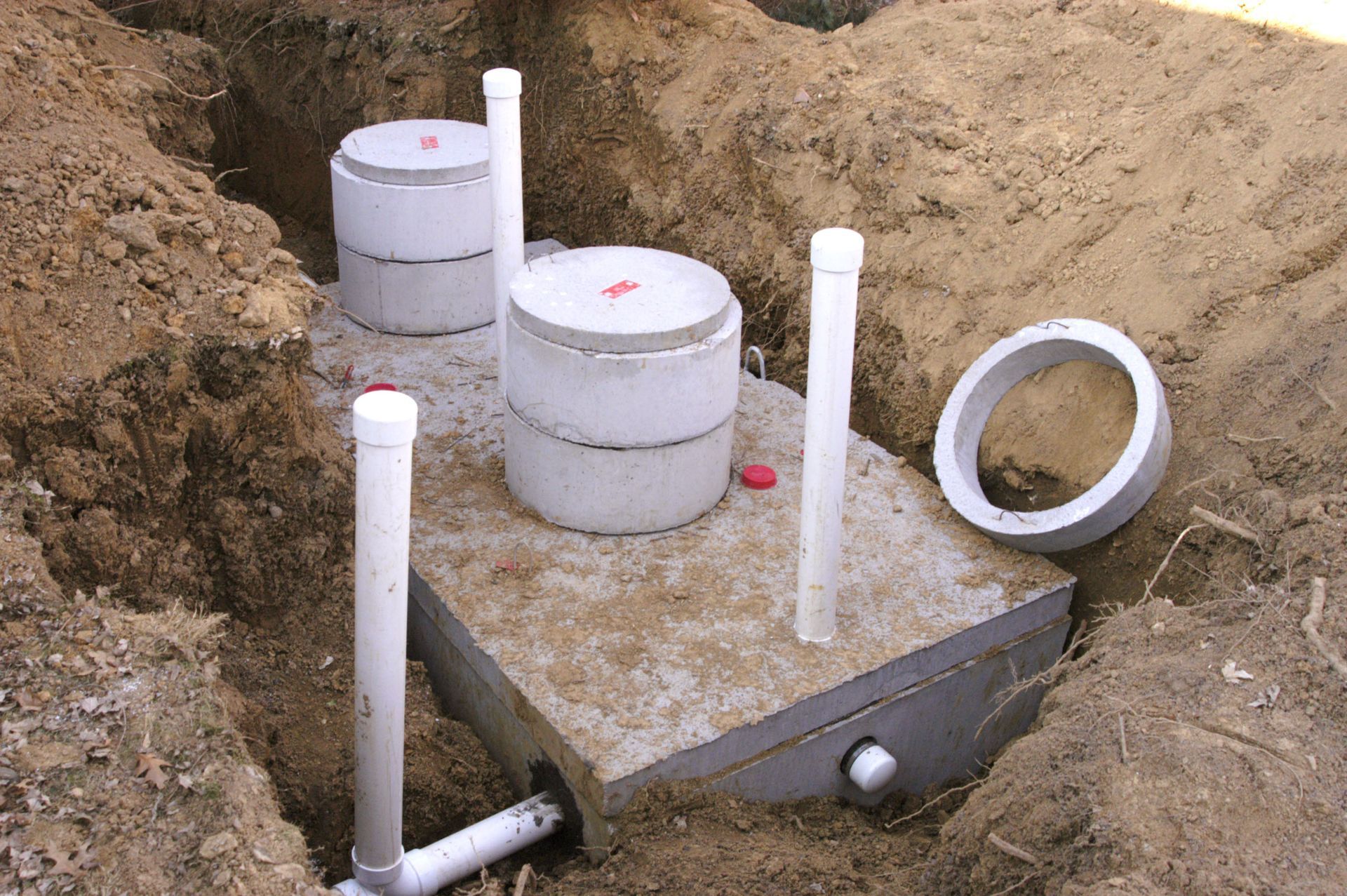
A sewer tap is the connection point where a property’s main sewer line ties into the city or municipal sewer system. This connection allows wastewater from a home or building to flow safely into the public sewer infrastructure.
Sewer taps are commonly installed during new construction, when older sewer connections need to be replaced, or when a property transitions from an onsite wastewater system, such as a septic tank, to a municipal sewer system. Because the work involves connecting to public infrastructure, sewer tap installations must meet local municipal codes and inspection requirements.
In the Phoenix and Scottsdale area, sewer tap projects often require coordination with city utilities, permitting, and inspections to ensure the connection is completed properly.
How Sewer Tap Installation Works
Installing a sewer tap usually involves several steps, beginning with identifying the location of the municipal sewer main and determining the most appropriate connection point. Once permits are secured, excavation is performed to expose the main sewer line.
A section of the existing sewer pipe is then opened, and the property’s sewer line is connected using approved fittings and materials designed for long-term durability. After the connection is completed, the line is inspected and tested to confirm it meets municipal standards. The excavation area is then backfilled and the site restored.
Because sewer taps connect directly to city sewer infrastructure, most municipalities require licensed contractors, inspections, and documentation before the work can be finalized.
When a Sewer Tap May Be Required
Sewer tap installations are often part of larger construction or infrastructure projects. Common situations where sewer taps are needed include:
• New home construction or new building development
• Converting from a septic system to a municipal sewer connection
• Replacing outdated or damaged sewer connections
• Major renovations that require new sewer infrastructure
In some cases, older sewer taps may need to be replaced to meet current municipal codes or to address issues caused by aging materials, root intrusion, or shifting soil.
Sewer Tap Permits and Inspections
Since sewer taps connect directly to municipal sewer systems, local governments typically require permits and inspections for the work. These requirements help ensure the connection is installed safely and meets city infrastructure standards.
Depending on the municipality, a civil engineer may also be involved in the design or review of the connection. Once installation is complete, the connection is inspected before the trench is closed and final approval is issued.
Documentation confirming the completed installation is usually provided after the inspection process is finalized.
Sewer Tap Costs
The cost of installing a sewer tap can vary depending on several factors. Permit fees, inspection requirements, and development charges differ between municipalities such as Phoenix, Scottsdale, and surrounding communities.
Project costs can also be affected by site conditions, the depth of the sewer main, excavation requirements, and the distance between the property and the city sewer line.
Because of these variables, sewer tap projects typically begin with a site evaluation to determine the location of the connection point and identify any permitting or engineering requirements before installation begins.
Sewer Tap Installation in Scottsdale and the East Valley
Sewer tap work throughout Scottsdale, Phoenix, and the East Valley often involves coordination with local municipalities to ensure the connection meets current regulations. Proper planning, permitting, and inspection help ensure the sewer connection functions reliably and remains compliant with city infrastructure standards.
For property owners building new homes, upgrading older sewer lines, or transitioning from septic to municipal sewer service, understanding how sewer taps work can make the process easier to navigate.
- Bullet text
- Bullet text
- Bullet text
- Bullet text
- Bullet text
- Bullet text
- Bullet text
- Bullet text
- Bullet text
- Bullet text
How long does a sewer tap installation take?
The duration can vary based on specific circumstances, but most installations are completed within a day.
What are the signs that I need sewer tap repair?
Watch for signs like slow drainage, unusual odors, or sewage backups, which can indicate issues with your sewer tap.
Do I need city approval to install a sewer tap?
Most municipalities require permits and inspections before a sewer tap can be installed. Because the connection ties into public sewer infrastructure, cities typically require approved plans and verification that the work meets local standards.
Who is responsible for the sewer tap, the homeowner or the city?
Responsibility usually depends on the location of the connection. The city maintains the public sewer main, while the property owner is typically responsible for the sewer line running from the home to the connection point. Local regulations determine where that responsibility changes.
Can a property convert from septic to a sewer tap connection?
Yes. When municipal sewer becomes available, many properties transition from septic systems to city sewer service. This process involves installing a sewer tap connection and properly abandoning or decommissioning the existing septic system according to local regulations.
CP #1 Headline
CP #1 Body
CP #1 CTA Lead-in
Not valid with any other offers or promotions. Restrictions apply.
Must mention this coupon at the time of scheduling.